
Why Documentation and Soft Skills Matter for Devs: The Real Reason Great Developers Stand Out
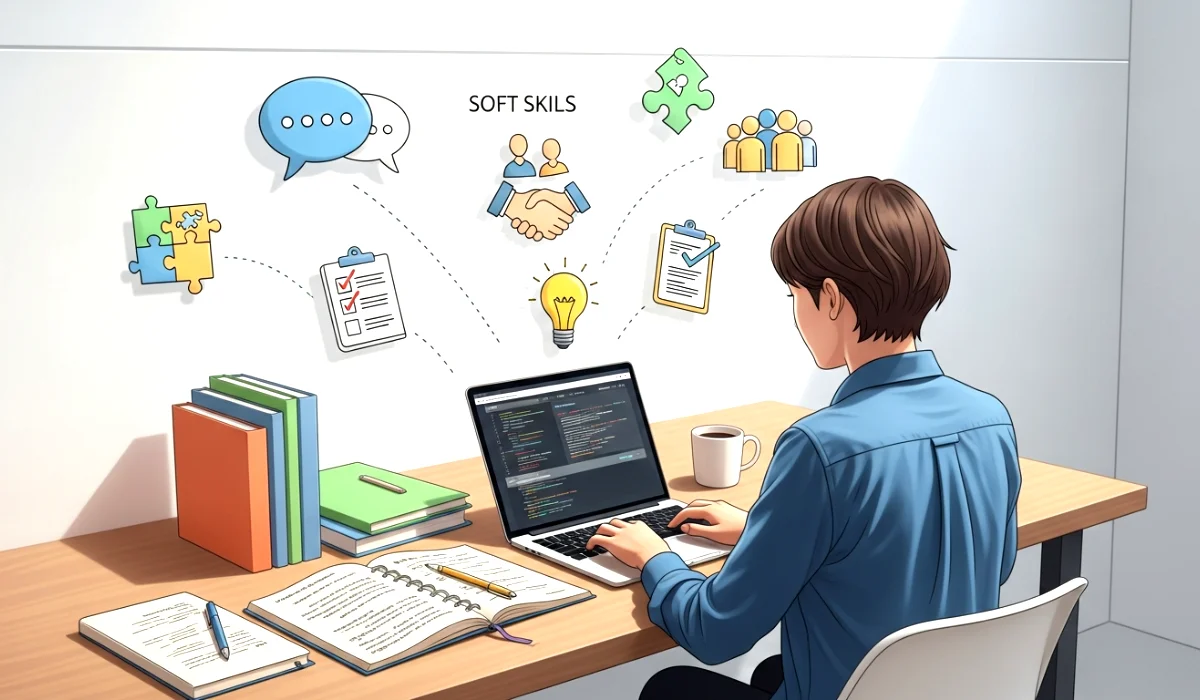
Have you ever worked on a project where the code looked fine, but everything else around it felt like navigating a maze blindfolded? Maybe you joined a team and spent half the day trying to understand where files lived, what functions did, or why certain decisions were made. I remember once inheriting a small internal tool from another developer. The first time I opened the repo, I stared at it like it was an ancient puzzle box. No comments, no notes, no README, no clue. And that’s when it hit me: writing code is only part of being a developer. The real magic happens in how you communicate that code, how you collaborate, and how you make things easy for the next person.
So, today, let’s talk about something every developer hears but often ignores: why documentation and soft skills matter for devs. Trust me, mastering these can turn a good developer into a truly great one.
Now, let’s dive deeper.
What Most Developers Don’t Realize Early On
When people picture a developer, they imagine someone typing lines of code in a dark room with headphones on. But in real life, dev work feels more like team sport. Yes, you write code, but you also explain ideas, read other people’s work, review pull requests, negotiate deadlines, and sometimes even calm down a stressed colleague or stakeholder.
And here’s the thing:
Good code can break, but good communication prevents disasters.
Messy documentation slows progress, but clear documentation speeds up growth.
I learned this the hard way. Early in my career, I thought delivering perfect code was all that mattered. I would work quietly, submit my tasks, and assume the work spoke for itself. But guess what? If nobody can understand your code, if teammates struggle to use your API, or if your client can’t grasp your explanation, your skills get overshadowed.
This is why documentation and soft skills matter for devs more than we think.
Why Documentation Matters More Than You Think
1. Documentation Saves Time for Everyone
Imagine debugging an issue in a system you barely know. Now imagine the same task, but this time with a clear guide describing setup steps, architecture, endpoints, and known issues. Which version makes you more productive?
Documentation acts like a map. Without it, developers wander around until they accidentally bump into the right path. With it, they move confidently.

Some examples where documentation saves hours:
- Clear onboarding guides for new team members
- API reference for backend or microservices
- Setup instructions for dev environments
- Notes on tricky parts of the system
- Explanations of why decisions were made
When future you revisits old code, documentation becomes a gift from your past self.
2. Documentation Reduces Knowledge Bottlenecks
Have you ever worked with a developer who knew everything because they built everything? They become the hero, but also the single point of failure. If they’re sick, busy, or silent, the whole team pauses.
Documentation spreads knowledge.
It ensures the project never depends on just one brain.
A healthy team environment requires shared understanding, not hidden expertise. And documentation is how you make that happen.
3. Documentation Helps Avoid Costly Mistakes
Small misunderstandings create big problems. Missing details lead to wrong implementations. Lack of clarity creates confusion. Inconsistent instructions cause failures.
But well written documentation:
- Reduces bugs
- Clarifies expectations
- Prevents duplicate work
- Ensures everyone follows the same rules
One time, a team I worked with deployed a feature that broke the entire login flow because two developers interpreted a requirement differently. A simple document explaining the process could have saved us two days of panic.
4. Documentation Improves Code Quality
When you write documentation, you’re forced to think about your design. You start noticing messy logic, confusing naming, or unnecessary complexity. Sometimes you realize, “If I can’t explain this function clearly, maybe it’s too complicated.”
Documentation acts like a mirror:
It shows your code’s strengths and weaknesses.
5. Documentation Builds Trust and Professionalism
Whether you freelance, work full-time, or contribute to open-source projects, documentation signals reliability. Clients trust you more. Teams depend on you more.
Good documentation says:
- You care about quality
- You’re thinking long term
- You’re building sustainable systems
That’s a powerful reputation booster.
Why Soft Skills Matter for Devs (More Than Hard Skills Sometimes)
Soft skills are the secret ingredient that separates good developers from leaders, innovators, and top earners.
Let’s explore why soft skills matter for devs just as much as documentation.
You can also read : Hybrid Cloud Explained Simply For Anyone Curious About Mixing On Premise And Public Cloud
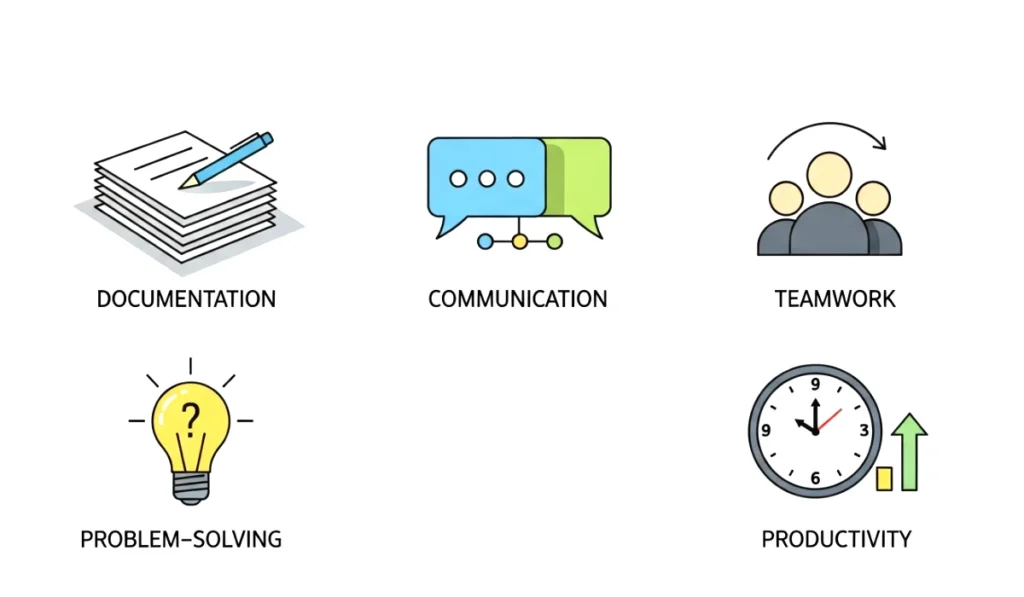
1. Soft Skills Improve Team Collaboration
Even the smartest coder can become a bottleneck if they can’t communicate. If your teammates can’t understand your message, your ideas lose impact.
Soft skills help you:
- Ask better questions
- Give clearer explanations
- Take feedback positively
- Resolve misunderstandings
- Coordinate with non-technical people
I’ve seen brilliant developers struggle because they didn’t know how to express their thoughts. And I’ve seen average coders excel because they communicated clearly and respectfully.
2. Soft Skills Help You Explain Technical Concepts Simply
Whether you’re talking to clients, managers, or designers, not everyone speaks “developer language.” Being able to explain things simply is a superpower.
For example:
Instead of saying:
“We need to refactor the monolith into loosely coupled microservices to reduce technical debt.”
You might say:
“The system has become heavy and slow. Splitting it into smaller parts will make it faster and easier to update.”
Same idea. Better communication.
3. Soft Skills Increase Your Career Growth
Promotions, leadership roles, and high-paying freelance projects usually depend on communication, responsibility, and emotional intelligence.
Companies don’t just hire coders.
They hire problem solvers.
And problem solving requires people skills.
Here are soft skills that boost careers:
- Active listening
- Patience and empathy
- Time management
- Adaptability
- Conflict resolution
- Presenting ideas
- Negotiation skills
When you combine technical ability with people skills, you become unstoppable.
4. Soft Skills Prevent Conflicts and Misunderstandings
Every project has disagreements. Maybe a teammate wants a different approach. Maybe a deadline changes. Maybe the client misunderstands the scope.
Soft skills help you stay calm, clarify needs, and keep things smooth. A project led with kindness and clarity always finishes better than one filled with tension.
5. Soft Skills Make You More Productive
Good communication prevents:
- Rework
- Miscommunication
- Confusion
- Repeated explanations
- Mismatched expectations
If you’ve ever wasted hours due to unclear instructions, you know how valuable communication really is.
How Documentation and Soft Skills Work Together
This is where the magic happens. Documentation provides clarity in writing. Soft skills provide clarity in conversation. Together, they create an environment where everyone:
- Understands goals
- Works faster
- Avoids confusion
- Builds higher quality software
Think of documentation as the written version of your communication. Soft skills are the spoken version. One supports the other.
Real Life Example: A Project That Almost Failed Without Soft Skills and Documentation
Let me share a quick story. I once joined a project where three teams across two countries were building different parts of a product. The code was fine. The people were smart. But guess what was missing? Coordination. Documentation. Clear communication.
No one knew what the other team was doing. API contracts changed without notice. Requirements were passed around like whispers in a noisy room.
For two months, progress crawled.
Then one senior dev stepped up. He created a simple shared document outlining API rules, naming conventions, and update schedules. He held short calls to sync with each team. He clarified questions immediately instead of waiting days.
In one week, productivity doubled.
That’s the power of documentation and soft skills for devs. They save time, reduce stress, and make projects feel like teamwork instead of chaos.
How Developers Can Improve Documentation Skills
You don’t need to be a writer. You just need to be clear. Start with:
- Write a simple README
- Add comments only where needed
- Document setup steps
- Describe APIs with examples
- Write change logs
- List dependencies
- Explain edge cases
Focus on clarity, consistency, and simplicity.
How Developers Can Improve Soft Skills
Practice makes progress. Try:
- Joining more discussions
- Asking clarifying questions
- Explaining ideas to non-tech friends
- Reading messages before sending
- Taking feedback gracefully
- Writing clearer emails
- Pair programming to learn communication
Soft skills grow naturally if you stay intentional.
Conclusion: Why Documentation and Soft Skills Matter for Devs
If you want to stand out as a developer, don’t just focus on writing code. Focus on writing clearly, communicating effectively, and helping others understand your work.
Because here’s the truth:
Code builds software, but communication builds teams.
Documentation supports projects, but soft skills shape careers.
So start today. Document one part of your project. Have a clearer conversation with your team. Practice expressing ideas with confidence and kindness.
Small steps compound into big improvements.
And your future self, your teammates, and even your clients will thank you.
If you are interested you can visit : Likhonotes



One Comment