Blockchain Beyond Cryptocurrency: How This Silent Technology Is Reshaping the Real World
Have you ever noticed how some technologies arrive with a lot of hype, then quietly reshape everything without us realizing it? That is exactly what is happening with blockchain. Most people still hear the word blockchain and immediately think of Bitcoin, price charts, and risky trading. But here is the thing. Blockchain is no longer just about cryptocurrency. In fact, some of the most powerful blockchain applications today have nothing to do with digital coins at all.
I remember a few years ago, even I thought blockchain was only for crypto traders and tech nerds. Then I started seeing it pop up in unexpected places. Supply chains, hospitals, digital IDs, even music royalties. That was the moment I realized something big was happening behind the scenes.
In this article, we will explore blockchain beyond cryptocurrency, focusing on real-world uses that are already making systems more transparent, secure, and efficient. If you are curious about where technology is heading or you want to understand blockchain without the crypto noise, you are in the right place.
Let us dive in.
What Is Blockchain, Explained Simply
Before we talk about real-world uses, let us quickly clear up what blockchain actually is.
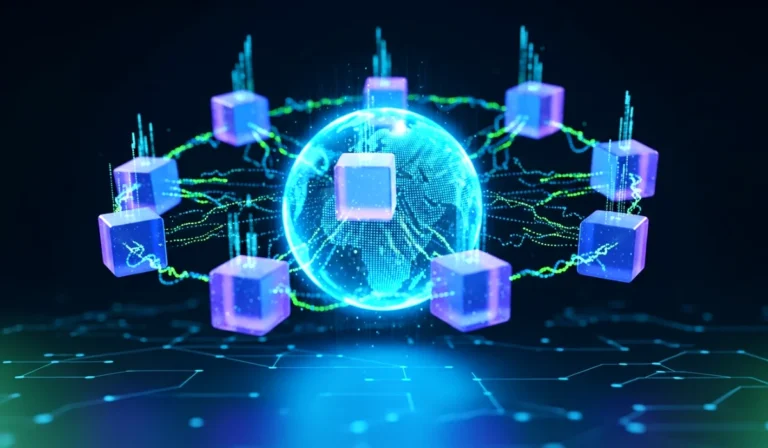
At its core, blockchain is a distributed digital ledger. Instead of one central authority controlling data, information is stored across a network of computers. Each record is grouped into a block, and once that block is added to the chain, it becomes extremely hard to change.
Think of it like a shared Google Sheet that thousands of people can see, but no single person can secretly edit. Every change is recorded, verified, and visible.
This structure gives blockchain three powerful qualities:
- Transparency
- Security
- Trust without a middleman
These qualities are the reason blockchain beyond cryptocurrency is becoming so valuable across industries.
Why Blockchain Is Bigger Than Crypto
Cryptocurrency was simply the first popular use case. It proved that blockchain could work at scale. But the technology itself is far more flexible.
Here is why blockchain is being adopted beyond digital money:
- It reduces fraud by making records tamper-resistant
- It removes unnecessary intermediaries
- It increases trust between parties who do not know each other
- It creates permanent, verifiable records
When you think about it, many real-world systems struggle with trust, inefficiency, and data manipulation. That is exactly where blockchain fits in.
Blockchain in Supply Chain Management
One of the strongest examples of blockchain beyond cryptocurrency is supply chain tracking.
Supply chains are complex. Products move through manufacturers, distributors, warehouses, and retailers. Traditional systems rely on paperwork, emails, and disconnected databases. This often leads to delays, fraud, and confusion.
Blockchain changes this completely.
How Blockchain Improves Supply Chains
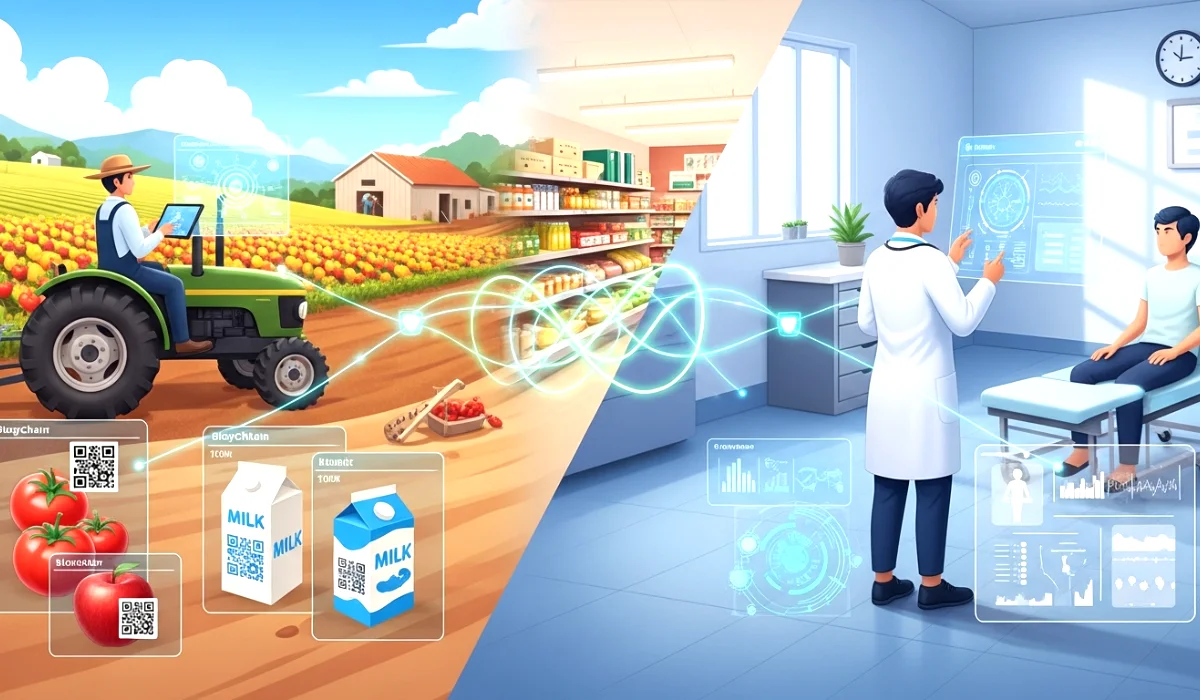
With blockchain, every step of a product’s journey is recorded on a shared ledger. Once information is added, it cannot be secretly altered.
This means:
- You can trace where a product came from
- You can verify authenticity
- You can identify delays or issues instantly
For example, food companies now use blockchain to trace contaminated products in minutes instead of days. That saves money and, more importantly, lives.
This is blockchain beyond cryptocurrency doing real, practical work.
Blockchain in Healthcare and Medical Records
Healthcare data is sensitive, fragmented, and often outdated. Patient records are stored across multiple hospitals, clinics, and labs. This creates errors, delays, and security risks.
Blockchain offers a new way forward.
Real Benefits in Healthcare
Blockchain allows patient data to be:
- Securely stored
- Accessed only with permission
- Shared instantly between authorized providers
Imagine visiting a new hospital and your complete medical history is available instantly, without filling out forms or risking data leaks.
Doctors get accurate information. Patients maintain control. Errors are reduced.
This is not a future fantasy. Pilot programs are already testing blockchain-based medical record systems across the world.
Digital Identity and Personal Data Protection
Identity theft is a growing problem. We share our personal data with dozens of platforms, often without knowing how it is stored or used.
Blockchain offers a concept called self-sovereign identity.
What Is Self-Sovereign Identity
Instead of companies owning your data, you own it. Your identity exists on a blockchain, and you choose what information to share.
Benefits include:
- Reduced identity fraud
- Fewer data breaches
- More privacy control
For example, you could prove your age or nationality without revealing your full identity.
This use case alone shows how blockchain beyond cryptocurrency can empower individuals instead of corporations.
Blockchain in Voting Systems
Trust in elections is critical for democracy. Unfortunately, traditional voting systems are often criticized for lack of transparency and vulnerability to manipulation.
Blockchain can help rebuild trust.
How Blockchain Can Secure Voting
A blockchain-based voting system can:
- Record votes permanently
- Prevent duplicate voting
- Allow public verification without revealing voter identity
Each vote becomes a secure transaction. Once recorded, it cannot be altered or deleted.
While large-scale adoption still faces challenges, smaller pilot projects have already shown promising results.
This is another strong example of blockchain beyond cryptocurrency improving civic systems.
Smart Contracts and Legal Automation
Smart contracts are one of the most powerful blockchain innovations.
A smart contract is a self-executing agreement where the rules are written in code. Once conditions are met, the contract executes automatically.
Real-World Examples of Smart Contracts
- Insurance payouts triggered automatically after verified events
- Real estate transactions completed without manual paperwork
- Freelancers paid instantly once work is approved
Smart contracts reduce disputes, delays, and legal costs.
From my own experience working online, delayed payments are frustrating. Smart contracts can eliminate that uncertainty completely.
This is blockchain beyond cryptocurrency making business smoother and fairer.
Blockchain in Finance Beyond Digital Coins
Even traditional financial institutions are adopting blockchain.
Banks and financial companies use blockchain for:
- Faster cross-border payments
- Fraud detection
- Transparent auditing
Blockchain reduces settlement times from days to minutes. It also lowers costs by removing unnecessary intermediaries.
This shows that blockchain is not replacing traditional finance, but enhancing it.
Intellectual Property and Digital Ownership
Creators often struggle to protect their work. Music, art, and digital content are copied easily, and royalties are hard to track.
Blockchain offers a solution.
How Blockchain Helps Creators
- Proof of original ownership
- Transparent royalty tracking
- Fair distribution of earnings
Artists can register their work on a blockchain and receive payments directly, without relying entirely on third-party platforms.
This is blockchain beyond cryptocurrency supporting creativity and fairness.
Education and Credential Verification
Fake degrees and certificates are a real problem. Employers waste time verifying qualifications.
Blockchain can store educational credentials securely.
Benefits include:
- Instant verification
- Reduced fraud
- Global recognition
Universities and training platforms are already experimenting with blockchain-based certificates.
Challenges and Limitations of Blockchain
Let us be honest. Blockchain is not perfect.
Some challenges include:
- Scalability issues
- Energy consumption concerns
- Regulatory uncertainty
- Complexity for average users
However, technology evolves. The internet also faced similar criticism in its early days.
These challenges do not cancel out the massive potential of blockchain beyond cryptocurrency.
Why Blockchain Matters for the Future
Blockchain is not about hype. It is about redesigning trust.
As digital interactions increase, trust becomes more valuable. Blockchain provides a foundation for trust in a world where people, systems, and machines interact constantly.
We may not notice blockchain directly, just like we do not think about internet protocols daily. But it will quietly power many systems we rely on.
Key Takeaways
Let us quickly summarize what we covered:
- Blockchain is more than cryptocurrency
- Real-world uses include healthcare, supply chains, voting, and identity
- Smart contracts automate trust
- Blockchain increases transparency and security
- Adoption is already happening across industries
Understanding blockchain beyond cryptocurrency helps you see technology trends more clearly.
Final Thoughts and Call to Action
Blockchain is no longer just a buzzword. It is a practical tool solving real problems right now.
If you are a student, entrepreneur, or tech enthusiast, start exploring blockchain use cases beyond crypto trading. Learn how it is applied in industries that interest you. The opportunities are much bigger than price charts.
If this article helped you understand blockchain better, share it with someone who still thinks blockchain is only about Bitcoin. Sometimes, all it takes is one clear explanation to change how we see the future.
Frequently Asked Questions About Blockchain Beyond Cryptocurrency
1. Is blockchain really useful without cryptocurrency
Yes, absolutely. Blockchain beyond cryptocurrency is already being used in healthcare, supply chains, digital identity, voting systems, and education. Cryptocurrency was just the first popular use case, but the real strength of blockchain lies in secure data sharing and trust building.
2. How is blockchain different from a normal database
A normal database is controlled by a single authority and data can be edited quietly. Blockchain stores data across many computers, making records transparent and extremely hard to change. This is why blockchain beyond cryptocurrency is trusted for sensitive real-world applications.
3. Can blockchain improve data security and privacy
Yes. One of the biggest advantages of blockchain beyond cryptocurrency is data security. Information stored on a blockchain is encrypted and shared only with permission. This reduces data breaches, identity theft, and unauthorized access.
4. Is blockchain technology expensive to implement
In the beginning, blockchain implementation can be costly and complex. However, over time it reduces operational costs by removing middlemen, paperwork, and manual verification. Many companies see long-term savings by adopting blockchain beyond cryptocurrency.
5. Are governments really using blockchain in real life
Yes, several governments are testing blockchain for voting systems, land records, identity management, and public services. These projects aim to increase transparency, reduce corruption, and build public trust using blockchain beyond cryptocurrency.
6. Do I need technical knowledge to understand blockchain
Not at all. You do not need coding skills to understand how blockchain works. Basic concepts like transparency, security, and decentralization are enough to grasp the real-world value of blockchain beyond cryptocurrency.
7. Is blockchain just a trend or a long-term technology
Blockchain is not a short-term trend. Just like the internet took years to fully mature, blockchain is still evolving. Its real-world adoption shows that blockchain beyond cryptocurrency is becoming a foundational technology for the future.
8. How can beginners start learning about blockchain beyond cryptocurrency
Beginners can start by learning real-world use cases instead of focusing only on crypto trading. Reading case studies, following blockchain projects in healthcare or supply chains, and understanding smart contracts is a great way to begin.