Discover Why Millions Are Now Securing IoT Devices Like Cameras and Smart Bulbs Using Simple Tricks

Have you ever wondered who might be watching through your smart camera or what kind of data your smart bulb is sending every time you switch it on? I had this weird moment once when my smart light flickered for no reason. It was probably nothing, but it made me think about how many devices in our homes stay connected all day and night. That small moment pushed me into learning more about smart home security. And trust me, the more I learned, the more I realized how securing IoT devices like cameras and smart bulbs is not optional anymore. It is a complete necessity.
We now live in homes filled with gadgets that listen, watch, analyze, and connect to the internet constantly. It feels futuristic and exciting, but it also has hidden risks. So today, let’s sit together like two friends having coffee and break down how securing IoT devices like cameras and smart bulbs can protect your privacy, your data, and even your peace of mind.
This is going to be simple, relatable, and packed with helpful tips you can start using today.
Why IoT Devices Need Strong Security
IoT devices are becoming as common as kitchen utensils. Cameras, smart bulbs, smart locks, AC controllers, voice assistants, baby monitors, robot vacuums, and even smart refrigerators are part of daily life now. But here is the catch. Most of these gadgets are extremely weak when it comes to built in security.

Why so weak?
Because manufacturers focus more on features than safety. They want to release products faster and cheaper. And you know what gets sacrificed. Security.
Why this becomes dangerous
IoT devices can be the doorway into your entire home network. If someone hacks a smart bulb, they might reach your WiFi network. If they hack a smart camera, they can literally watch inside your home. If they break into your smart lock, well, you can imagine the rest.
The scary part
Most IoT devices have:
- Weak default passwords
- Outdated firmware
- No encryption
- Limited protection against attacks
- Always on internet connection
This makes them a juicy target for hackers.
And this is exactly why understanding how securing IoT devices like cameras and smart bulbs can transform your home safety.
You can also read : Future of Open Source in the AI and Cloud Era
How Cybercriminals Target Smart Home Gadgets
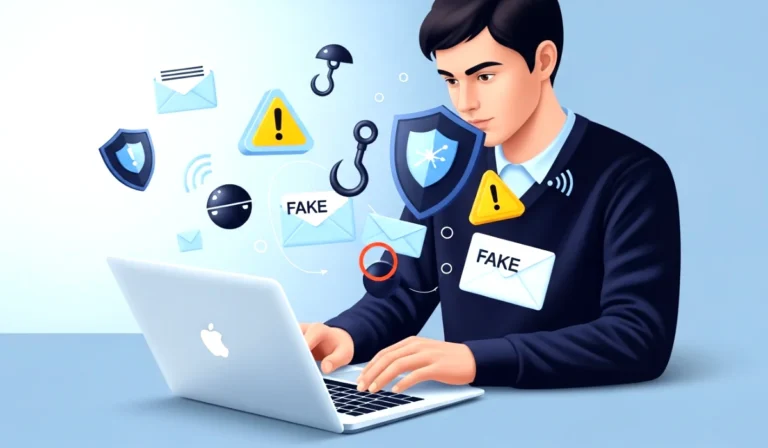
You might be wondering, who would want to hack a smart bulb? Why would anyone care about your lamp or your ceiling light? That is the thing. Hackers are not always after the device itself. They are after the network behind it.
Let me break down how attacks usually work in simple language.

1. They scan the internet for weak devices
Hackers use automated tools that scan thousands of devices every minute. When they find a device running with a default password or old firmware, they jump in.
2. They steal login details
Many IoT apps use cloud logins. If hackers grab your email and password from another leak, they might try the same combination to access your smart devices.
3. They enter your WiFi through the weakest gadget
Think of your home network like a chain. It is only as strong as the weakest link. And unfortunately, smart bulbs and cheap cameras are usually the weakest.
4. They control the camera feed
It sounds like a movie, but this happens in real life. Some hackers stream or sell access to hacked cams.
5. They create botnets
This means your smart device becomes part of a large group of infected devices used to attack websites or servers. You may never even notice it happening.
This is why securing IoT devices like cameras and smart bulbs is so important. A tiny gadget can become a huge problem.
Practical Ways for Securing IoT Devices Like Cameras and Smart Bulbs
Now let’s move to the most useful part. How can you protect your smart gadgets without needing to be a tech expert? Here are the easiest and most effective methods.
You can also read : How to Keep Your Digital Life Backed Up and Safe Forever
1. Change Default Passwords Immediately
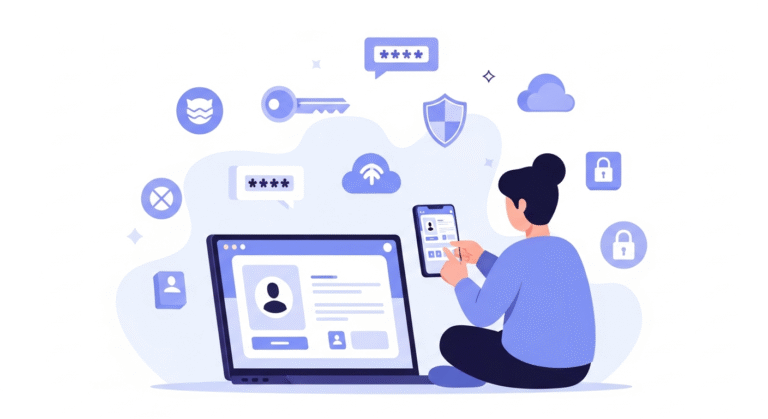
This is the most important step. Many devices come with passwords like admin, 123456, or password. If you keep these, hackers can access your device in seconds.
What to do:
- Use a long password
- Mix letters, numbers, symbols
- Avoid birthdays or names
2. Create a Separate WiFi Network for IoT Devices
This simple trick can save you from 90 percent of problems.
Why it works:
If your IoT devices are on one network and your phone or laptop on another, hackers cannot jump from one device to the other.

How to do it:
- Go to your router settings
- Create a guest network
- Connect all smart devices to the guest network
It is easy and super effective.
3. Keep Firmware Updated
Updates fix vulnerabilities. But many people never update their camera or smart bulb firmware.
Tips:
- Turn on automatic updates if available
- Check the app once a month
- Replace old gadgets that no longer receive updates
4. Disable Features You Do Not Use
Many smart devices come with features like remote access, motion alerts, or cloud storage. If you do not use them, turn them off.
Fewer features means fewer entry points for hackers.
5. Use Strong WiFi Encryption
Always use WPA3 or at least WPA2 for your WiFi. If you still use WEP, you are basically leaving the door open.
6. Turn Off Universal Plug and Play
UPnP makes it easier for devices to connect, but it also makes it easier for hackers. Disable it from your router settings for better safety.
7. Keep Your App Secure
Do not:
- Install random apps
- Use rooted or jailbroken phones
- Ignore app permission warnings
Your phone is the control center of your IoT world, so keep it secure.
Real Life Scenarios That Show Why IoT Security Matters
Let me tell you a story. A friend once told me his security camera kept turning toward the window every night. He thought it was a software glitch. Later he found out someone had accessed the camera from outside and was manually turning it. He felt shocked and violated.
Another story. A guy had smart bulbs that kept changing color randomly. It was not a ghost. A hacker had connected to the bulb through the internet and from there started exploring his home WiFi network. That tiny bulb became the starting point of an entire cyberattack.
These incidents sound dramatic but they happen more often than we think. And that is why knowing how securing IoT devices like cameras and smart bulbs can protect your home is essential.
Common Mistakes People Make With Smart Home Devices
Here are the mistakes almost everyone makes at some point.
Using the same password everywhere
If one account gets hacked, everything is at risk.
Not reading privacy policies
Some devices collect more data than you think.
Buying cheap brands with no security
Low price often means low protection.
Ignoring alerts about unknown connections
These alerts exist for a reason.
Not changing factory settings
Leaving default names or settings makes hacking easier.
Avoid these and you already win half the battle.
Future Trends in IoT Security You Should Know
IoT security is becoming a hot topic worldwide. Governments and companies are waking up to the risks.
Here are some trends that will shape the future:
1. Mandatory security labeling
Just like nutrition labels on food, IoT devices might soon have security labels showing how safe they are.
2. Stronger encryption by default
Manufacturers are starting to protect device data automatically.
3. AI based threat detection
AI will soon help spot suspicious activity in your smart home network.
4. More awareness and education
People are finally learning that a smart home should also be a safe home.
5. End of extremely cheap, insecure IoT brands
New laws will not allow insecure devices in the market anymore.
This means the future of IoT is safer, but right now, protection is in your hands.
Final Thoughts and Action Steps
If you have reached this point, you already understand how securing IoT devices like cameras and smart bulbs is a powerful way to protect your privacy, your data, and even your daily peace. With smart gadgets becoming more common, the number of risks also grows.
But the good part is that you do not need to be a security expert to protect your home. Small actions like changing passwords, updating firmware, and separating your WiFi network can make a huge difference.
Your action plan for today:
- Check your camera passwords
- Update the firmware
- Create a separate network
- Turn off features you do not use
Just start with one tip today. Your smart home will thank you, and your privacy will stay protected.
Best Tool Website : Convertixy