Holographic Displays and Their Real World Applications
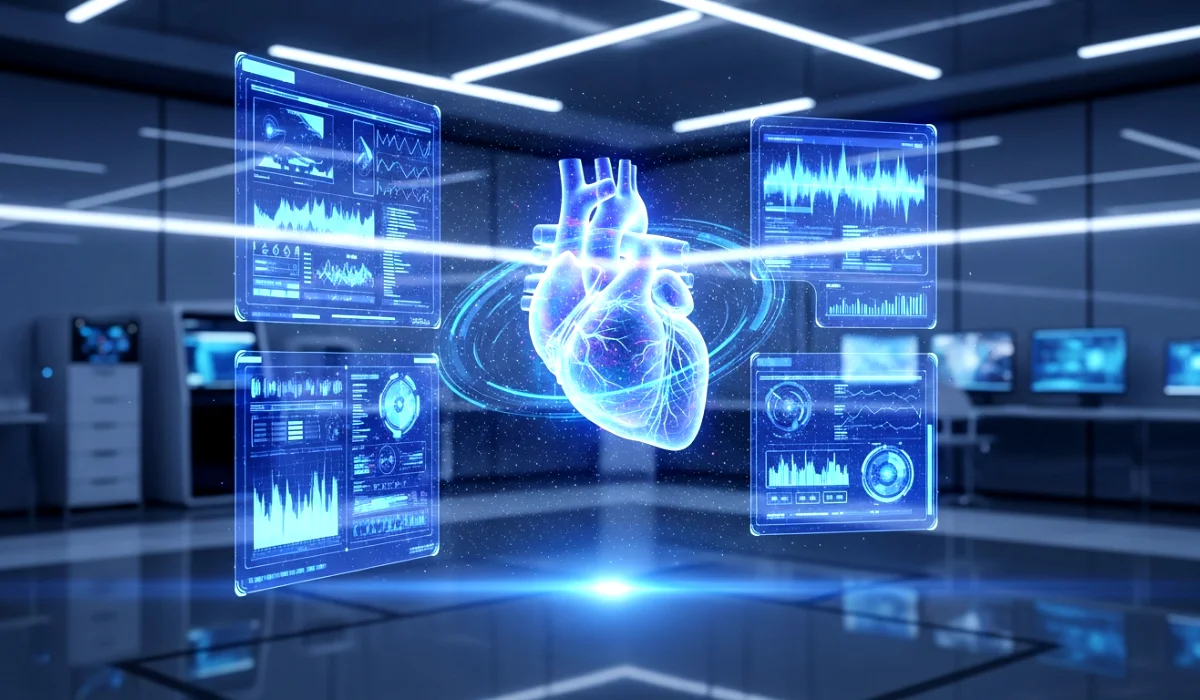
Have you ever watched a science fiction movie where a character swipes floating images in the air and thought, “Will this ever be real?”
I used to think the same thing. For years, holograms felt like pure fantasy. Something cool to watch on screen but impossible to touch in real life.
But here is the surprising part.
Holographic displays are no longer just science fiction. They are already being used in hospitals, classrooms, retail stores, factories, and even live events. And the technology is improving faster than most people realize.
In this guide, I will walk you through holographic displays and their real world applications in simple, practical language. No hype. No fake promises. Just real examples, real benefits, and real limitations. So grab a coffee and let us dive in.
What Are Holographic Displays
At its core, a holographic display is a technology that creates three dimensional images that appear to exist in real space, not just on a flat screen.
Unlike normal screens that show depth using tricks like perspective and shadows, holographic displays reconstruct light itself. This allows your eyes to see depth naturally. You do not need special glasses in many cases.
Think of it like this.
A normal screen shows a photo of a cup.
A holographic display makes it feel like the cup is actually sitting in front of you.
Key characteristics of holographic displays
- Images appear three dimensional from multiple angles
- Depth changes as you move your head
- Some systems allow interaction using hands or gestures
- No traditional screen frame in many setups
This is why holographic displays feel so immersive. Your brain treats them more like real objects than images.
How Holographic Displays Work
This part sounds complex, but I will keep it simple.
Holographic displays work by recording and reconstructing light waves. Instead of storing just color and brightness like a photo, holograms store how light waves interfere with each other.
Here is a simplified breakdown:
- A laser or controlled light source is split into two beams
- One beam hits the object
- The other beam acts as a reference
- When they meet, they create an interference pattern
- That pattern is stored digitally or optically
- When light passes through it again, the 3D image appears
Modern digital holographic displays use advanced processors and spatial light modulators to recreate this effect in real time.
Why this matters
Because the display recreates how light behaves in the real world, your eyes focus naturally. This reduces eye strain compared to fake 3D effects used on some screens.
Types of Holographic Displays
Not all holographic displays are the same. Different industries use different types depending on cost, space, and purpose.
1. Pepper’s Ghost Style Displays
These are often used in events and retail.
They use reflective glass or transparent film to create a floating illusion.
Common uses:
- Product showcases
- Stage performances
- Exhibitions
They look impressive but are more illusion based than true holograms.
2. Volumetric Displays
These create images inside a physical space. You can walk around them and see different angles.
Common uses:
- Medical imaging
- Scientific visualization
- Defense simulations
They are expensive but incredibly realistic.
3. Light Field and Digital Holographic Displays
These are the most advanced. They reconstruct light rays digitally.
Common uses:
- Research labs
- Advanced design studios
- Mixed reality systems
This is where the future of holographic displays is heading.
You can also read : What Is Quantum Computing Explained Simply For Beginners
Real World Applications of Holographic Displays
Now comes the exciting part. Let us talk about where holographic displays are actually being used today.
Holographic Displays in Healthcare
This is one of the most powerful real world applications.
Doctors can view 3D scans of organs, tumors, or bones as floating models. Instead of guessing depth from a flat screen, they can rotate, zoom, and study structures naturally.
Real benefits in healthcare
- Better surgical planning
- Reduced risk during complex operations
- Improved medical training for students
- Faster diagnosis through clearer visualization
I once spoke with a medical student who said learning anatomy through holograms felt like holding a real organ in the air. That level of understanding is hard to achieve with textbooks alone.
Holographic Displays in Education and Training
Traditional education struggles with abstract concepts. Holographic displays change that.
Imagine students learning about the solar system by walking around floating planets. Or engineering students examining a 3D engine without touching real machinery.
Why education benefits
- Improves memory retention
- Makes learning interactive
- Helps visual learners
- Reduces dependency on expensive physical models
Training programs in aviation, military, and industrial safety are already using holographic simulations to reduce real world risk.
Holographic Displays in Business and Remote Work
Remote meetings are still mostly flat video calls. Holographic displays aim to change that.
Some companies are experimenting with holographic telepresence, where a life sized 3D version of a person appears in the room.
Practical uses
- Executive meetings
- Product design collaboration
- Architecture walkthroughs
- Global team presentations
While this is still expensive, costs are slowly coming down.
Holographic Displays in Retail and Marketing
Retailers love anything that grabs attention. Holographic displays do exactly that.
Instead of static posters, brands can show rotating 3D products floating in mid air. Customers stop. They look. They remember.
Retail advantages
- Higher customer engagement
- Better product understanding
- Reduced need for physical samples
- Strong brand recall
Luxury brands and tech companies are already using holographic displays in flagship stores.
Holographic Displays in Entertainment and Events
Concerts, museums, and exhibitions are using holographic technology to create unforgettable experiences.
Famous examples include virtual performances of artists and historical figures appearing on stage.
Why entertainment loves holograms
- Creates emotional impact
- Allows storytelling without limits
- Revives historical or fictional characters
- Enhances live shows
This application of holographic displays blends art and technology beautifully.
Holographic Displays in Engineering and Manufacturing
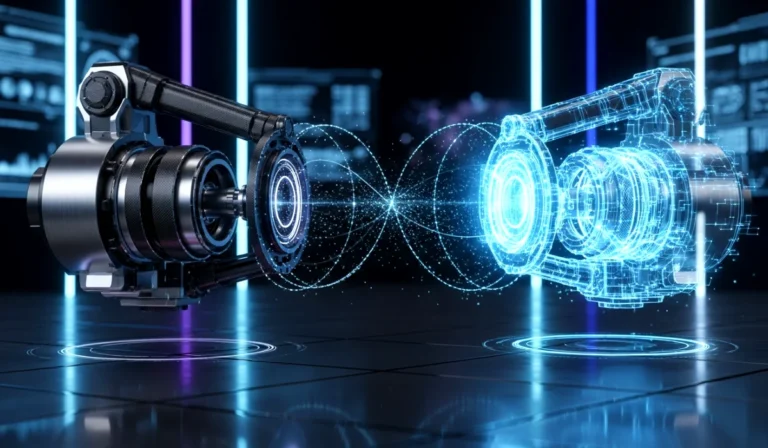
Engineers use holographic displays to visualize complex designs before production.
Instead of interpreting 2D blueprints, teams can inspect a full 3D model floating in front of them.
Key benefits
- Faster design approval
- Fewer production errors
- Better team communication
- Reduced prototyping cost
This saves both time and money.
Benefits of Holographic Displays
Let us summarize why holographic displays are gaining attention across industries.
Major advantages
- True 3D visualization
- Natural depth perception
- Higher engagement and focus
- Improved learning and decision making
- Strong wow factor for branding
When used correctly, holographic displays offer practical value, not just visual excitement.
Limitations of Holographic Displays
Now let us be honest. This technology is powerful, but it is not perfect.
Current challenges
- High cost of advanced systems
- Limited availability for consumers
- Large space requirements for some setups
- Technical complexity
- Content creation is still expensive
This is why holographic displays are mostly used by businesses and institutions today.
Future of Holographic Displays
Here is where things get exciting again.
As processing power increases and costs decrease, holographic displays are expected to become:
- Smaller and more affordable
- Integrated into everyday devices
- Used in smartphones, cars, and home offices
- Combined with AI and mixed reality
In the future, holographic displays may become as normal as touchscreens are today.
Are Holographic Displays Worth It Today
So the big question. Are holographic displays worth investing in right now?
The answer depends on your use case.
- For businesses, yes, if visualization and engagement matter
- For education and healthcare, absolutely
- For everyday consumers, not yet
But make no mistake. This technology is moving fast.
Final Thoughts on Holographic Displays and Their Real World Applications
Holographic displays are no longer a distant dream. They are real, useful, and already transforming how we learn, work, and experience information.
From hospitals to classrooms to retail stores, holographic displays and their real world applications are proving their value step by step.
If you are a business owner, educator, or tech enthusiast, this is a space worth watching closely.
Call to Action
If this article helped you understand holographic displays better, share it with a friend who loves future technology. And keep an eye on this space. The next big screen might not be a screen at all.
Frequently Asked Questions (FAQs)
1. What is a holographic display in simple words
A holographic display is a technology that shows images in three dimensions so they appear to float in real space. Unlike normal screens, it lets you see depth and different angles naturally, almost like a real object.
2. Are holographic displays real or just science fiction
Holographic displays are very real. They are already used in healthcare, education, retail, engineering, and live events. While consumer use is still limited, businesses and institutions use them regularly.
3. Do holographic displays require special glasses
Most modern holographic displays do not require special glasses. They are designed to be viewed with the naked eye, which makes them more comfortable and practical than traditional 3D systems.
4. What industries benefit the most from holographic displays
Healthcare, education, engineering, retail, and entertainment benefit the most. These industries use holographic displays for better visualization, training, product presentation, and immersive experiences.
5. Will holographic displays replace normal screens in the future
Holographic displays are unlikely to fully replace normal screens anytime soon. However, they will work alongside traditional displays, especially in areas where 3D visualization and interaction offer clear advantages.