
How Constant Connectivity Shapes Our Mental Health
Introduction
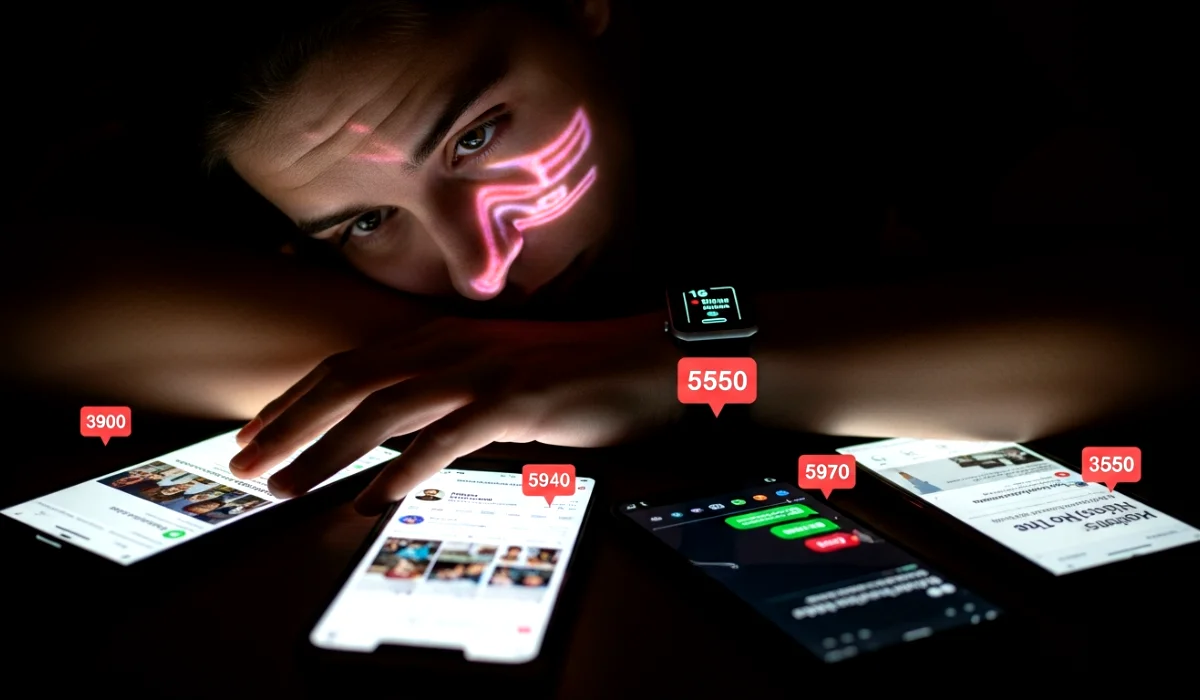
We live in a world where we are always online. Messages, updates, notifications, and calls follow us everywhere. Being connected is useful, but it can also feel heavy. Many people do not even realize how much pressure a 24×7 connected life puts on their mind.
Have you ever felt tired even after doing nothing? Or felt stressed the moment your phone buzzed? You are not alone. Our minds need space, and constant connection reduces that space every day.
Let’s explore how this always-online lifestyle affects mental health, and how we can take simple steps to feel better.
Why Constant Connection Feels Overwhelming
A connected life means your mind never fully rests. Even when you are not using your phone, you expect the next notification.
This creates a cycle of tension.
A cycle that slowly eats your energy.
Here’s what constant connection often leads to:
- Too much information
- Pressure to respond fast
- Fear of missing out
- Lack of quiet moments
- Mental fatigue
Our brains are not designed to stay alert all the time. They need breaks, silence, and slow moments.
Information Overload
When you scroll through endless feeds, your brain processes more information than it can handle. Even simple content adds up.

Signs of overload:
- You feel tired without reason
- You forget small things easily
- You struggle to focus
- You jump between tasks often
Real example: Someone opens their phone to check one message but ends up scrolling for 20 minutes without noticing. This drains energy without giving value.
Pressure to Stay Updated
We feel we must know everything — news, trends, memes, messages, and more. Missing something feels wrong.
But ask yourself this:
Do we really need to know everything, all the time?
This pressure can create:
- Anxiety
- Stress
- Restlessness
- A feeling of “never enough”
Your mind becomes busy even when your body rests.
Impact on Sleep
Screens affect sleep more than people realize. Late-night browsing keeps the brain active when it needs to wind down.

Common issues include:
- Hard to fall asleep
- Light sleep
- Waking up tired
- Staying sleepy through the day
Many people check their phone at night “for one minute,” but that minute can turn into 20 minutes of wakefulness.
Good sleep needs peace. Constant connection breaks that peace.
Reduced Real-Life Presence
Have you ever been in a room but felt mentally somewhere else? This happens when notifications pull your attention away from real moments.
You miss:
- Family talks
- Quiet time
- Relaxation
- Simple joys
Life becomes a blur of alerts instead of memories.
Being present is a skill. And connected life weakens it over time.
Social Comparison and Digital Pressure
Online life often shows perfect moments. Smiling photos. Success stories. Beautiful holidays. It is easy to compare yourself and feel low.
Even when we know these posts are filtered, they still affect our mood.
This can cause:
- Low self-esteem
- Self-doubt
- Feeling “behind” in life
- Unnecessary stress
But remember this:
People share highlights, not daily struggles.
Losing Alone Time
Alone time is not loneliness. It is a break for your mind.
But constant connection fills every quiet moment.
Your mind never gets to reset.
Without alone time, you may feel:
- Irritated
- Mentally tired
- Emotionally heavy
- Less creative
Quiet time is important. It is where your thoughts breathe.
How to Stay Mentally Healthy in a Connected World
You do not need to quit technology. You just need balance.
Small steps can make a huge difference.
Here are simple habits anyone can try:
1. Set “No Phone” Times
Choose moments where you keep your phone aside.
Examples:
- During meals
- One hour after waking up
- Before sleeping
- Family time
These small breaks calm the mind.
2. Turn Off Non-Essential Notifications
Most alerts are not urgent. Fewer notifications mean less stress.
You stay in control instead of reacting all day.
3. Take Short Digital Breaks
Try a 10-minute break every few hours.
Walk. Stretch. Sit quietly. Look around.
Let your mind slow down.
4. Create a Sleep-Friendly Routine
At least 30–60 minutes before bed:
- Avoid screens
- Keep your phone away
- Choose calm activities
Better sleep leads to better days.
5. Spend Time in Real Conversations
Talking face-to-face builds connection and reduces stress.
It reminds you that life is more than screens.
6. Practice Mindful Use
Before opening your phone, ask:
Why am I opening it?
Do I really need this right now?
This simple question reduces unnecessary scrolling.
7. Protect Your Mental Space
Unfollow content that drains you.
Mute accounts that create pressure.
Choose what you see.
Your mind deserves peace.
Finding Balance in a Connected World
We cannot run away from technology. It is part of our lives.
But we can choose how we use it.
Balance comes from:
- Awareness
- Small habits
- Mindful choices
Ask yourself:
Is my online life controlling me, or am I controlling it?
If the answer worries you, it’s okay. You can start fresh today. One habit at a time.
Conclusion
A 24×7 connected life affects mental health in many ways — from stress to lack of sleep. But with simple steps, we can protect our minds and live healthier digital lives.
You don’t need big changes.
Just small, steady choices.
Take a break. Breathe. Slow down.
Your mind will thank you.
for latest news : webloglink