How to Practice Coding Effectively Without Getting Burned Out

Coding burnout does not happen overnight. It creeps in slowly. One day you are excited about learning loops, the next day even opening VS Code feels heavy.
Here are the most common reasons burnout hits coders:
First, unrealistic expectations. Many beginners think they should master a language in 30 days because some YouTube thumbnail promised it. When reality hits, motivation drops.
Second, long unfocused study sessions. Sitting for hours without clear goals drains mental energy. Your brain needs recovery time just like muscles do.
Third, constant comparison. Seeing others build apps while you are still stuck on arrays can mess with confidence fast.
I remember trying to solve problems for five hours straight during my early days. By the end, I was not smarter, just frustrated. That was my first lesson in avoiding burnout.
Understanding why burnout happens is the first step to practicing coding effectively without getting burned out.
Set Realistic Coding Goals From Day One
One of the biggest mistakes people make is setting goals that look impressive but feel impossible.
Instead of saying, “I will learn full stack development in two months,” try something like, “I will understand basic JavaScript functions this week.”
Realistic goals do three powerful things:
- They reduce mental pressure
- They give you frequent wins
- They keep motivation alive
When I shifted from big goals to small weekly targets, my consistency improved instantly. Finishing a small task feels good. That good feeling pushes you to continue tomorrow.
A smart goal example:
- Bad goal: Learn Python completely
- Good goal: Write 5 small Python programs using loops
This approach helps you practice coding effectively without getting burned out because your brain stops feeling chased.
Create a Sustainable Daily Coding Routine
Consistency beats intensity every single time.
You do not need six hours daily. You need a routine you can repeat even on bad days.

A sustainable coding routine looks like this:
- Fixed time slot
- Clear task for that session
- Defined end time
For example:
- 45 minutes of coding
- 10 minutes review
- Done for the day
I personally follow short sessions. Some days I code for just 30 minutes. But I do it every day. That consistency compounds faster than random long sessions.
If your routine feels easy to start, you will stick with it. This is a core rule of learning programming consistently without burnout.
Quality Practice Beats Long Hours
Let me say this clearly:
Four focused sessions of 30 minutes beat one distracted 4 hour session.
Quality coding practice means:
- No phone notifications
- One concept at a time
- Writing code, not just watching
Passive learning feels productive but teaches very little. Active practice, even if short, builds real skill.
When I stopped watching endless tutorials and started typing code myself, my understanding improved dramatically. Less time. Better results.
If you want to practice coding effectively without getting burned out, focus on depth, not duration.
Learn to Take Breaks the Right Way
Breaks are not a waste of time. They are part of learning.
Your brain processes information during rest. Ignoring breaks leads to mental fatigue and errors.
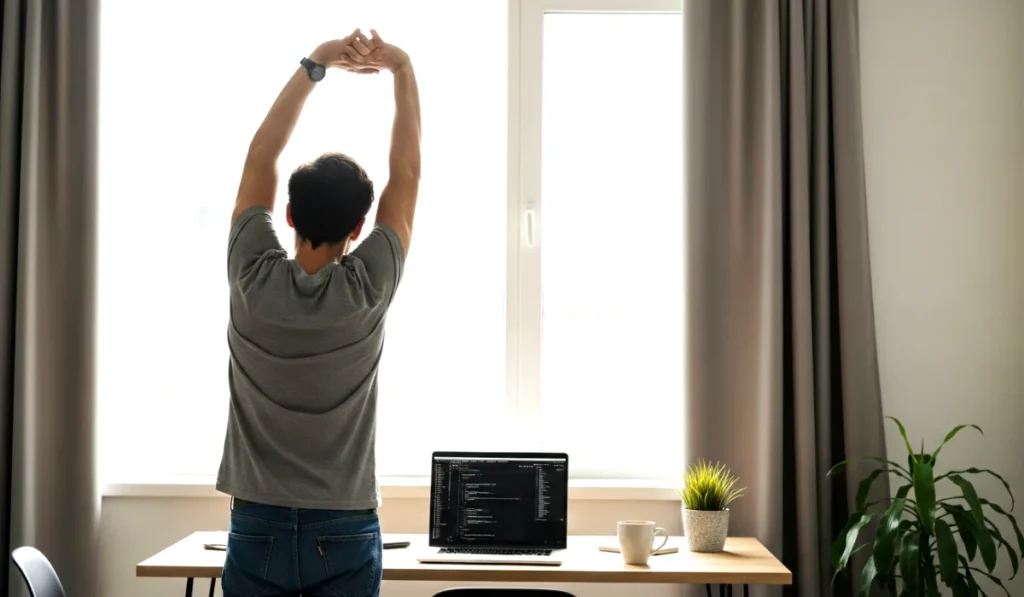
Good break habits include:
- Standing up every 45 to 60 minutes
- Looking away from the screen
- Drinking water
- Short walks
Avoid scrolling social media during breaks. That overloads your brain even more.
Some of my best problem solutions came after stepping away for ten minutes. Breaks refresh perspective.
Smart breaks help you avoid coding burnout while still making progress.
Mix Projects With Problem Solving
Only doing problems gets boring. Only doing projects gets overwhelming. Balance is key.
Here is a simple mix:
- 3 days problem solving
- 2 days small project work
Projects give purpose. Problems sharpen logic.
When I built my first small tool, even though it was messy, I felt proud. That emotional reward kept me going when theory felt dry.
This balance is essential if you want to practice coding effectively without getting burned out long term.
Stop Comparing Yourself With Others
Comparison is the fastest way to kill motivation.
Someone else learning faster does not mean you are failing. Everyone has different backgrounds, time availability, and learning styles.
I wasted months comparing my journey to people on social media. Once I focused only on my progress, learning became enjoyable again.
Track improvement like this:
- Yesterday vs today
- Last week vs this week
Not you vs the internet.
This mindset shift alone can prevent burnout more than any productivity hack.
Use the Right Tools to Reduce Mental Load
Good tools make learning easier, not harder.
Some helpful tools include:
- Code editors with syntax highlighting
- Simple debuggers
- Note taking apps
- Task trackers
Avoid setting up complex environments when starting out. Complexity increases frustration.
When your tools work smoothly, your mind can focus on learning. Less friction equals less burnout.
Choosing the right tools supports learning programming consistently.
Track Progress Without Obsessing
Tracking progress is good. Obsessing over it is not.
Instead of counting hours, track skills learned:
- Concepts understood
- Problems solved
- Features built
I keep a simple list of what I learned each week. Looking back at it during low motivation days reminds me how far I have come.
Progress tracking should encourage, not pressure.
Listen to Your Mind and Body
Sometimes burnout is a signal, not a weakness.
If you feel exhausted, take a day off. One rest day will not destroy your future. Quitting because of burnout will.
There were times I forced myself to code when my mind was clearly tired. The result was frustration and self doubt.
Now I listen to my energy levels. Some days are light. Some are intense. That balance keeps me going.
Learning how to practice coding effectively without getting burned out also means respecting yourself.
Final Thoughts on Practicing Coding Without Burnout
Coding is a marathon, not a sprint.
Burnout does not mean you are bad at programming. It means your system needs adjustment.
Frequently Asked Questions (FAQs)
1. How many hours should I practice coding daily to avoid burnout?
There is no fixed number that works for everyone. For most beginners, 30 to 90 minutes of focused coding is more than enough. The key is consistency, not long hours. Practicing coding effectively without getting burned out means stopping before your mind feels exhausted, not after.
2. Is it normal to feel tired or demotivated while learning coding?
Yes, it is completely normal. Coding uses a lot of mental energy, especially when you are learning new concepts. Feeling tired does not mean you are bad at programming. It usually means your brain needs rest or a change in learning style.
3. Should I take breaks while practicing coding, or push through?
You should always take breaks. Short breaks help your brain process information better and reduce frustration. Pushing through tiredness often leads to mistakes and burnout. Taking breaks is part of practicing coding effectively without getting burned out.
4. What is better for beginners, coding problems or projects?
Both are important. Coding problems improve logic and thinking skills, while projects help you understand how things work in real life. A healthy mix of both keeps learning interesting and prevents boredom or burnout.
5. How do I stay consistent with coding when motivation is low?
Do not rely on motivation alone. Build a simple routine with small daily goals. Even coding for 15 to 20 minutes on low energy days keeps the habit alive. Consistency comes from discipline, not motivation.